
Residential
Leaf Removal
Leaves out of the turf and out of the beds before they mat down, cleaned up, hauled off site, and timed to when your trees actually drop.
Professional leaf removal for Columbus, Ohio properties.
Kentucky bluegrass and fescue don't stop working when the mowing season ends. They keep photosynthesizing into November, storing the energy that fuels spring green-up, and a matted leaf layer shuts that down. What the mat leaves behind shows up in March: snow mold, crown rot, vole runways, and dead patches that need reseeding. Our leaf removal service clears leaves from your turf areas and landscape beds, cleans everything up, and hauls it off site, timed to when your trees actually drop, not to a calendar slot.
- Leaves removed from turf areas and landscape beds on every visit
- Everything cleaned up and hauled off site the same day
- Scheduled late October through early December, matched to your trees
- Two-visit plans for heavy-canopy properties so leaves never mat down
- Pairs with fall cleanup for perennial cutback and bed debris
28+ years caring for Central Ohio properties.
What leaf removal covers
The scope is exactly what it sounds like: leaves out of the turf, leaves out of the beds, and everything gone when we pull away.
Turf areas cleared
Every lawn area blown and collected clean: fence lines, side yards, and the corners where a west wind piles leaves two feet deep.
Landscape beds cleared
Leaves lifted out of beds by blower and by hand so perennial crowns and groundcovers aren't buried under a wet mat all winter.
Hauled off site
Leaves are loaded and hauled off site the same visit, no curb piles sitting for weeks waiting on a city vacuum truck.
Timed to your trees
Silver maples finish dropping around Halloween while pin oaks hold into late November. We schedule to what's in your yard.
Two-visit plans
Heavy-canopy properties get a mid-drop pass and a final pass, so leaf depth never reaches the point of smothering turf.
Hard surfaces blown off
Drives, walks, and patios cleared before we leave. Wet leaves on concrete are a slip hazard and a stain source.
Turf condition check
Crew flags early snow mold, vole activity, or thin areas while working, so spring repairs are planned instead of discovered.

What a leaf mat does to cool-season turf
Kentucky bluegrass, fescue, and rye do serious work in late fall: as long as light reaches the blade, they photosynthesize into November and bank carbohydrates in the crown for spring. Two inches of wet, matted leaves ends that. The mat blocks light, traps moisture against the crown, and holds soil temperatures in the range fungal pathogens prefer. The grass underneath doesn't rest; it starves. By the time the mat is raked off in March, you're looking at yellow, flattened turf that may or may not recover without seed.
Snow mold, crown rot, and vole runways
A winter under matted leaves produces a predictable set of spring problems. Gray and pink snow mold bloom in the trapped moisture and show up as crusted, circular patches once the snow recedes. Voles tunnel under the cover all winter, chewing surface runways through the turf that read like a road map in April. In beds, leaves packed over perennial crowns hold water against the plant and rot it from the base. Crown rot kills hostas and coral bells that would have shrugged off the cold itself. All three are prevented by the same thing: getting the leaves off before snow.
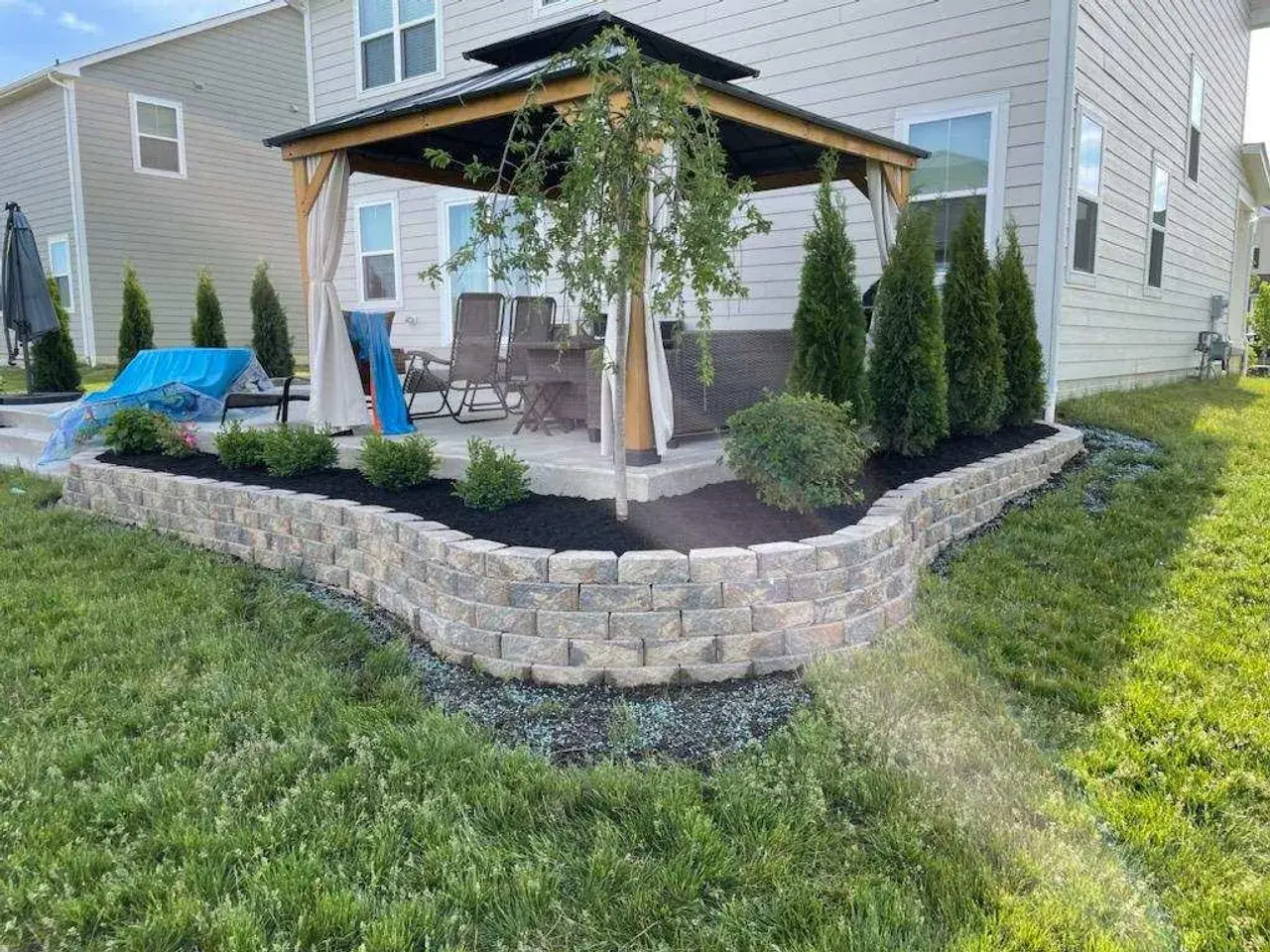
The removal window runs late October through early December
Timing follows the trees, not the calendar. Silver and red maples in Central Ohio mostly finish dropping around Halloween; pin oaks and white oaks hold leaves well into late November, and some don't let go until a hard freeze. We schedule removal for the tail of your property's drop, and on heavy-canopy streets in Powell, Westerville, and older Columbus neighborhoods that usually means two visits: a mid-drop pass in early November and a final pass after the oaks finish. One deep, wet mat does more damage than the same leaves taken in two light rounds.
Beds count as much as turf
Half the damage leaves do happens in landscape beds, which is why our scope covers both. Leaves that mat over perennial crowns hold moisture that rots plants at the base, and a packed layer gives voles and overwintering insects cover a foot from your foundation plantings. So the crew works beds the same way it works turf: leaves lifted out by blower and by hand, crowns left clear, and everything cleaned up and hauled off site the same visit. Nothing gets blown into a corner or left in a curb pile.
Leaf removal and fall cleanup are different jobs
Leaf removal handles leaves at volume: turf and beds cleared, everything hauled. Fall cleanup is the winter-prep work in the beds themselves: dead plant material removed, perennials and ornamental grasses cut back, debris hauled off site. On a wooded lot you usually want both, and we sequence them so the cleanup lands after the final leaf pass rather than a week before your oaks bury it. Booked together, they run as one coordinated mobilization instead of two separate trips.
Book before the first wet snow pins the leaves down
Removal runs late October through early December. The final pass should land after your last major drop and before sustained snow cover. Once a wet snow mats the leaves, damage starts and removal gets slower and more expensive. Heavy-canopy properties should book both visits by mid-October.
Get on the schedule- Maples mostly finish by Halloween; oaks hold into late November
- Two-visit plans keep leaf depth from ever reaching smothering levels
- Fall cleanup and leaf removal sequence together in one mobilization
Round out the winter prep
Leaf removal is one piece of putting a property to bed. These are the services we most often run alongside it.
Fall cleanup
Bed cleanout, perennials and ornamental grasses cut back, and all debris hauled off site, the other half of winter prep on most properties.
Learn moreWeekly mowing
Mowing customers get first call on the leaf schedule, and we time the final removal pass right after your last cut of the season.
Learn moreSpring edging & mulch
Beds that went into winter leaf-free come out of it ready for a hand-cut edge and fresh mulch in April.
Learn moreThe leaf removal engagement, step by step
A predictable, transparent process refined over 25+ years of Central Ohio property work. No surprises, no scope creep.
- 1Step 1 of 4
Canopy walk
We note tree species and count, where leaves collect, and whether your drop calls for one visit or two.
- 2Step 2 of 4
Turf clearing
Lawn areas blown and collected clean, including fence lines and the drift zones along structures.
- 3Step 3 of 4
Bed clearing
Leaves lifted out of landscape beds by blower and hand, keeping perennial crowns intact.
- 4Step 4 of 4
Load & haul
Everything loaded and hauled off site; drives and walks blown off before we pull away.
Quoted by canopy and lot, not a flat rate
Leaf volume drives the work, so quotes reflect turf area, bed footage, tree count, and whether your canopy calls for one visit or two. Estimates are free, and we confirm the visit count with you before the season starts.
- Itemized line-by-line proposal
- Quote turnaround in 24 to 48 hours
- No hidden fees, no surprise upcharges
Booked with fall cleanup, both services are sequenced in a single trip.
Free quotes scale with lawn size and canopy density, with one-visit and two-visit plans available
Every property is different. Quotes are tailored after a quick consultation. No obligation, no hard sell.


Leaf Removal, answered.
Real questions from real Central Ohio customers. If yours isn't here, you have three fast ways to reach us.
01When should leaf removal happen?
Between late October and early December. Maples mostly finish around Halloween while pin oaks hold into late November, so we aim the final pass after your last major drop and before sustained snow cover locks the leaves down.
02Is one visit enough?
On light-canopy lots, yes. Properties with mature maples or oaks usually need a mid-drop pass in early November and a final pass at the end of the month. One deep wet mat smothers turf faster than two lighter layers ever will.
03Can't I just mulch-mow the leaves in?
Up to a point. A light scattering can be shredded into the turf and actually feeds it. Once leaves cover roughly half the lawn or are wet enough to clump, a mower just chops the mat into a denser one. Removal is the answer at volume.
04What happens if leaves sit until spring?
Matted leaves block the late-season photosynthesis cool-season grass depends on, then incubate gray and pink snow mold under the snowpack. Add vole runways and crown rot in the beds, and a skipped removal often becomes a spring reseeding bill.
05Do you clear the landscape beds too?
Yes. Turf areas and landscape beds are both in scope on every visit. Leaves packed over perennial crowns cause crown rot, so the beds matter as much as the open lawn.
06What do you do with the leaves?
They're cleaned up and hauled off site the same visit. We don't leave curb piles waiting on a municipal vacuum schedule.
07How is this different from fall cleanup?
Leaf removal is leaves at volume, cleared from turf and beds. Fall cleanup is the bed work: dead plant material out, perennials and ornamental grasses cut back, debris hauled off site. Wooded properties usually book both, sequenced so cleanup follows the final leaf pass.
Leaf Removal across Central Ohio.
Headquartered in Lewis Center, our crews reach most Central Ohio properties in under 25 minutes. Routes are organized by city: your crew is on your block week after week, not chasing across the metro.
As our home base, Lewis Center is where Meyers Landscape Services got its start.






Ready for professional leaf removal?
Serving Lewis Center, Dublin, Powell, Hilliard, Westerville, Delaware, and Columbus, plus surrounding Central Ohio communities. Free estimates, fast response, real accountability.
Explore More
Related services
Lawn Mowing
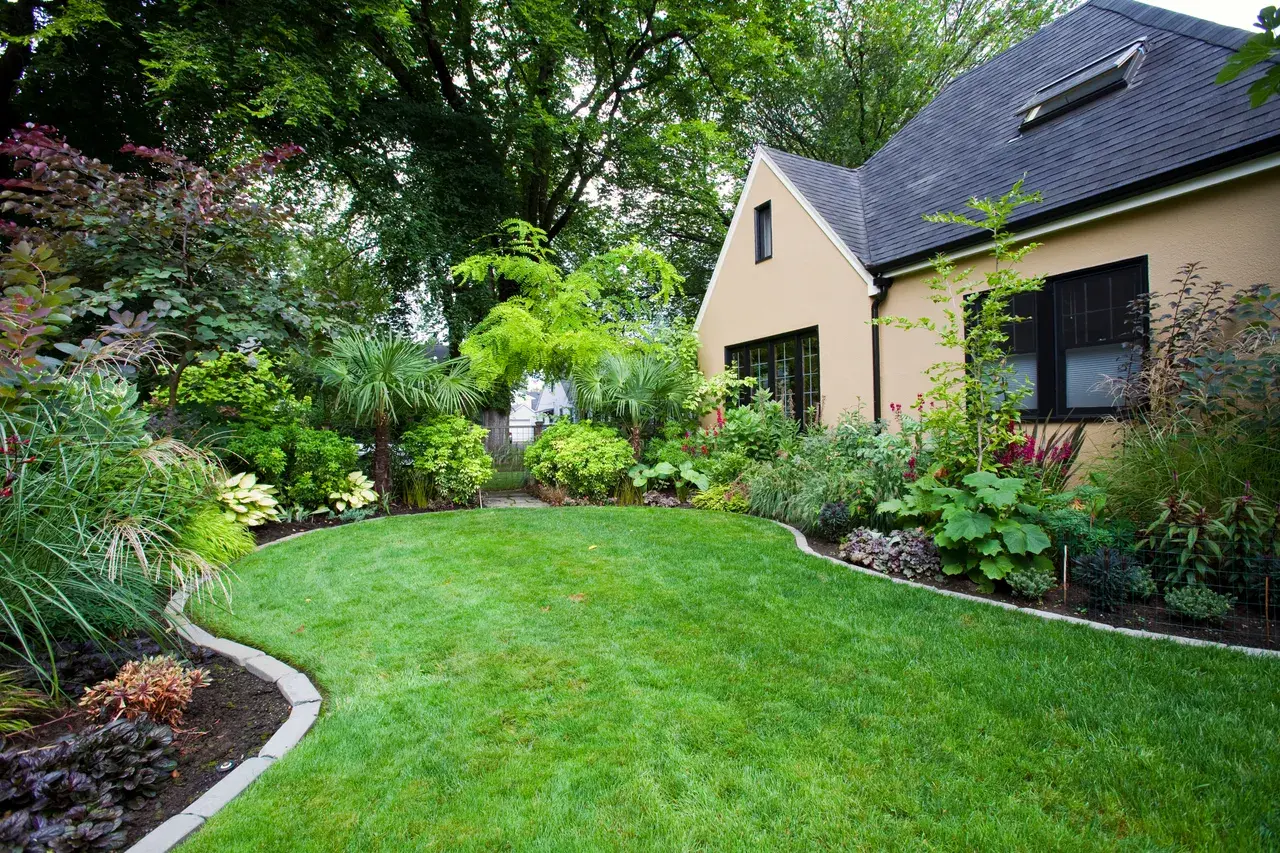
Weekly mowing, string trimming, and blowdown on the same day every week, April through November.
Learn more
Fertilization
5-application fertilizer programs to build a thick, green, healthy lawn year-round.
Learn more
Grub Control
A preventative application that protects your lawn from turf-damaging grubs before they hatch.
Learn more