Residential
Turf Disease Protection
A two-part program for humid Ohio summers: one application to shore up root health, plus covered treatment applications if turf disease breaks out in-season.
Professional turf disease protection for Columbus, Ohio properties.
Columbus summers hand fungal diseases everything they need: warm nights, heavy dew, humid air, and dense cool-season turf to feed on. Our Turf Disease Protection Program is built in two parts: an additional application that strengthens root health before the stress arrives, and treatment applications covered under the program if disease appears during the season. If an outbreak hits in July, the treatment is already part of what you bought, no scramble and no separate bill.
- One additional application dedicated to root health ahead of summer stress
- Treatment applications covered under the program if disease breaks out
- Responds to brown patch, dollar spot, red thread, and summer patch
- Rust excluded: it's cosmetic and grows out with regular mowing
- Stacks on the 5-application fertilization program, priced separately
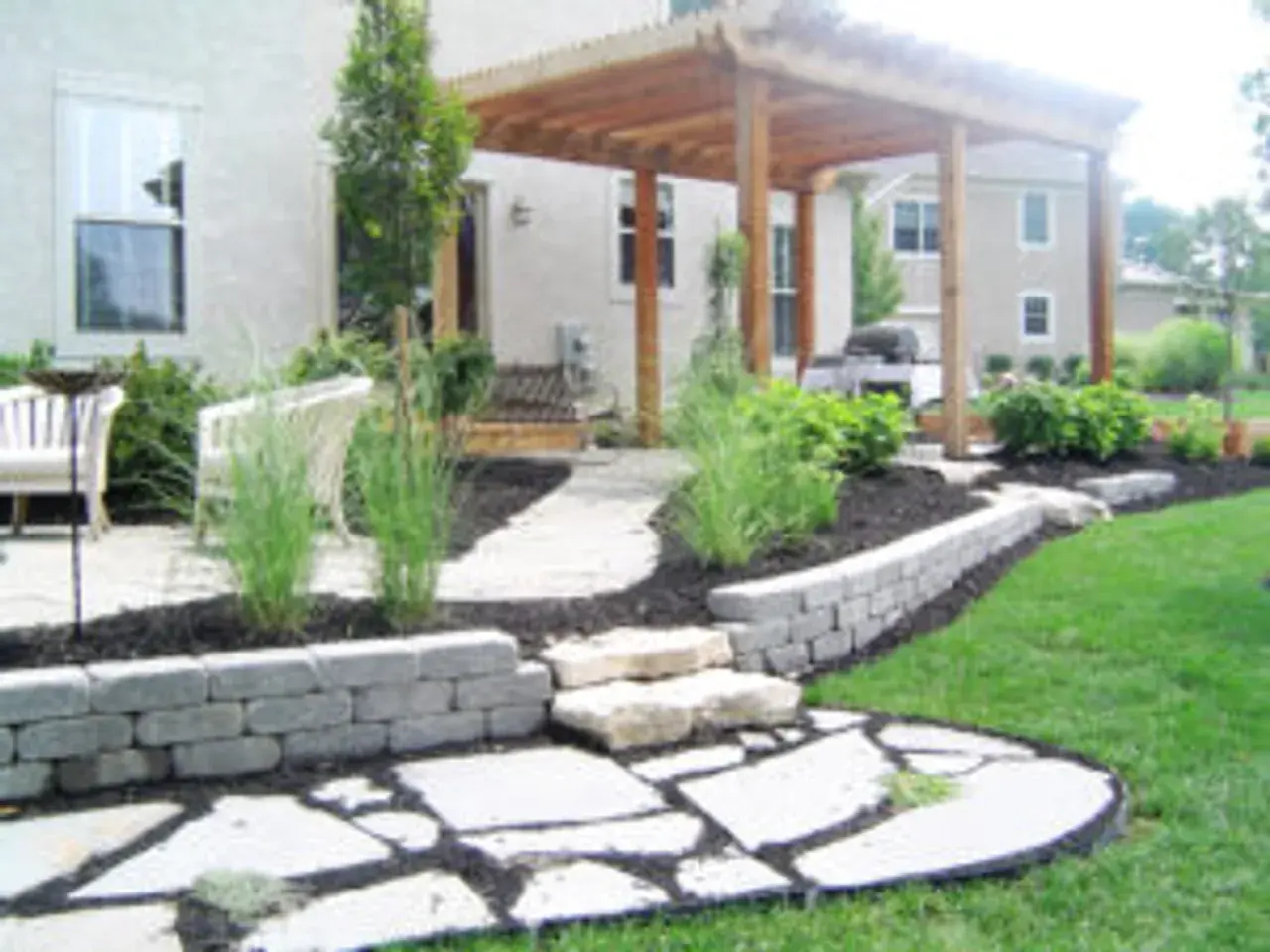
28+ years caring for Central Ohio properties.
What the protection program covers
Two parts, sold as one program: a root-health application up front, and treatment coverage if disease shows up mid-season.
Root-health application
An additional application that hardens the root system before July's heat and humidity put it under load.
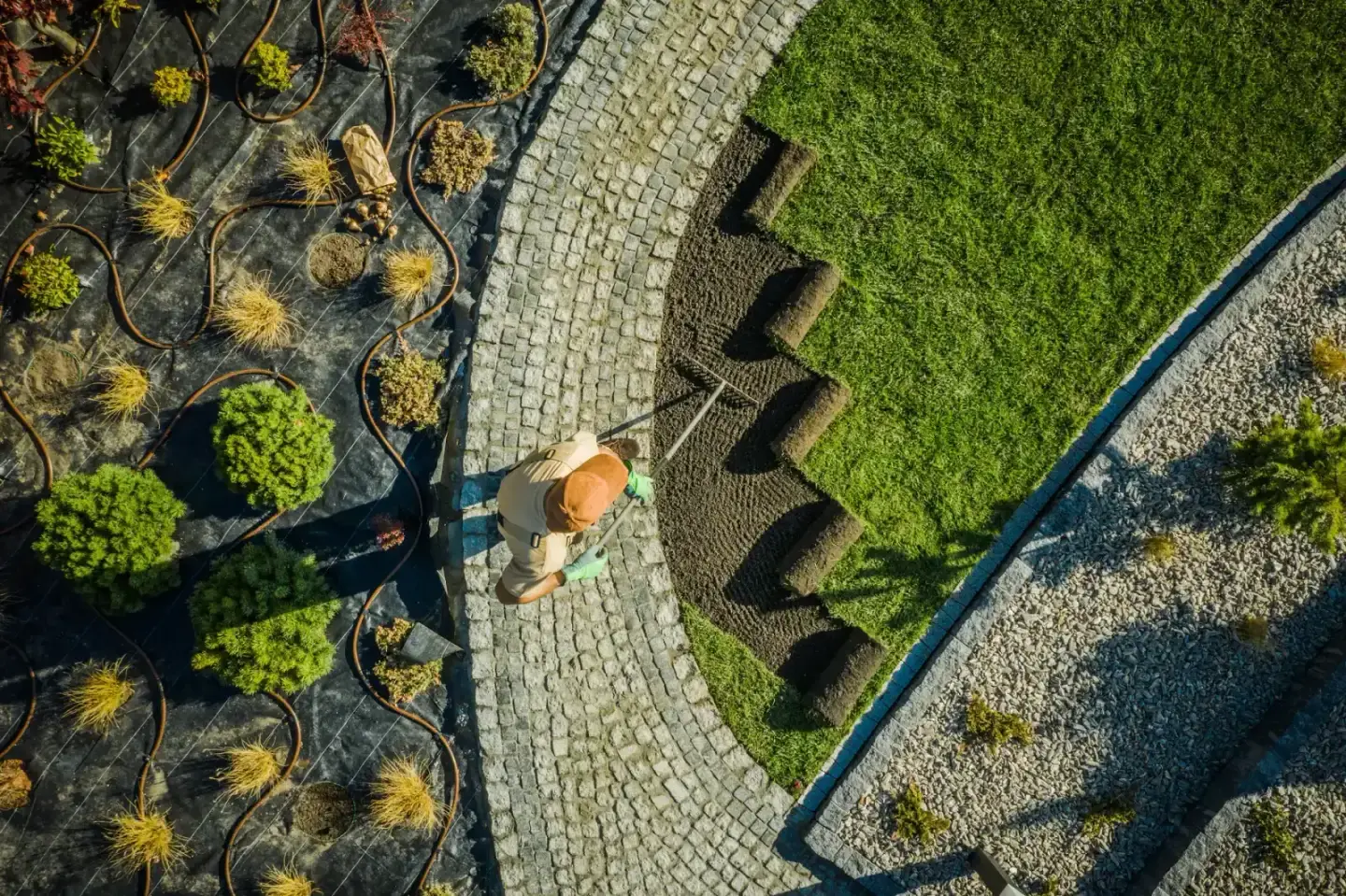
Covered disease treatments
If turf disease appears in-season, treatment applications are part of the program. That is the coverage you're buying.
Disease identification
Brown patch, dollar spot, red thread, and summer patch each look different up close. We identify before we treat.
Weather-driven vigilance
Fungal outbreaks follow the forecast. Strings of humid nights above 68°F put us on watch for brown patch.
Watering and mowing guidance
Morning irrigation and sharp mower blades measurably cut disease spread. We tell you exactly what to change.
The rust exclusion
Rust sits outside the program because it doesn't need a fungicide. A feeding and a few mowings clear it.
Written visit notes
Every treatment documents what we found, what was applied, and what to watch for over the next two weeks.
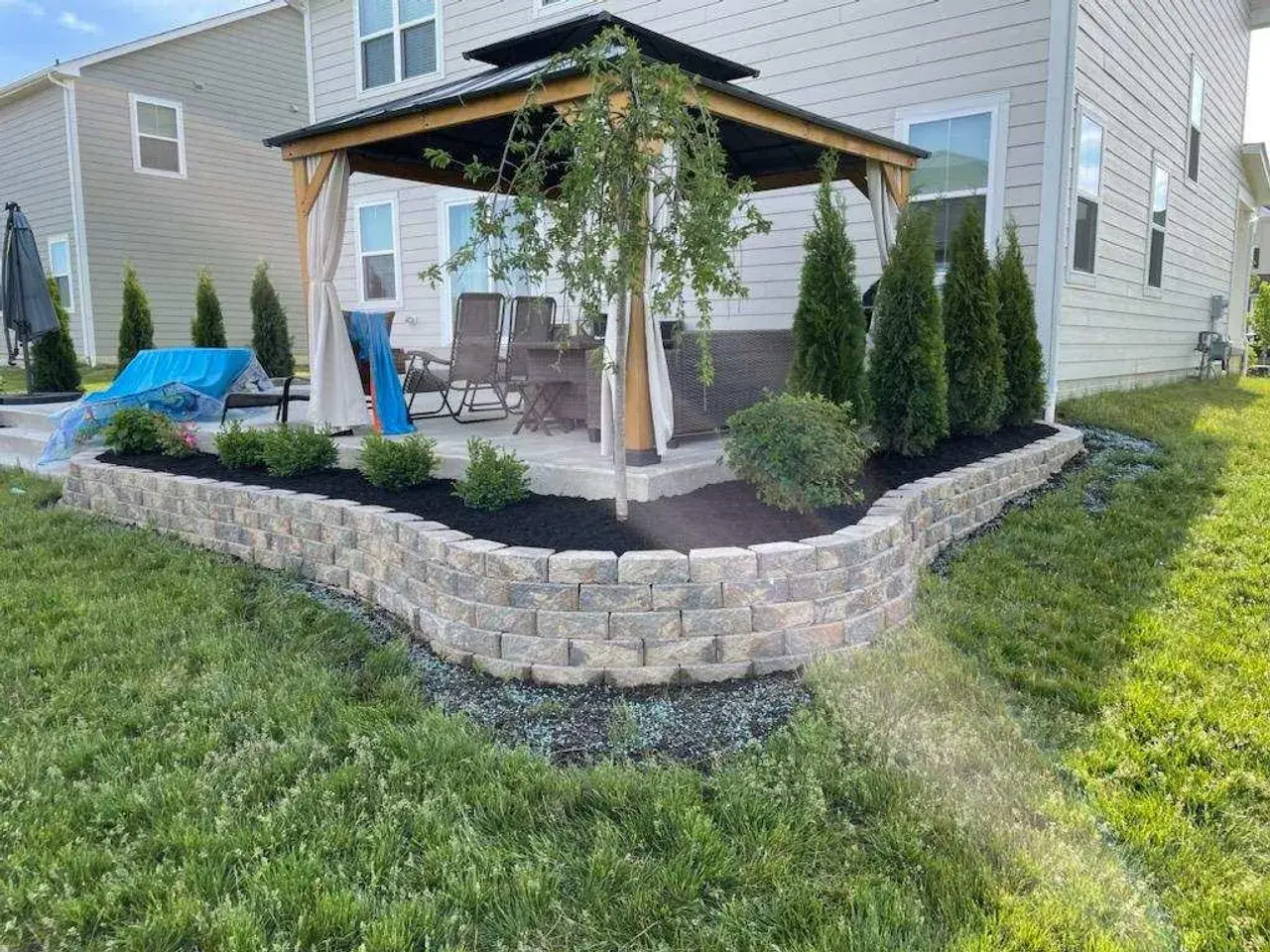
Two parts, exactly as sold
The program does two things. First, it adds an application beyond the standard fertilization schedule, formulated to protect root health going into the hardest months. Second, it covers treatment applications in the event turf disease appears during the season. You're enrolled, so an outbreak means we treat it under the program rather than quoting new work while your lawn browns. That structure is the whole point. The cost is fixed before the season starts, and the response is already arranged when a humid week turns turf against you.
The diseases Columbus lawns actually get
Brown patch hits tall fescue hardest, blighting irregular patches when night temperatures hold above 68°F under humid air. Dollar spot stamps straw-colored circles the size of silver dollars across underfed turf, thriving on heavy dew. Red thread shows as pink-red strands binding blades together during cool wet stretches, favoring perennial rye and fine fescue. Summer patch is the sneak: a root disease that infects Kentucky bluegrass in spring but shows no symptoms until July heat, when crescents of dying turf appear. All four respond to timely, correctly matched treatment.
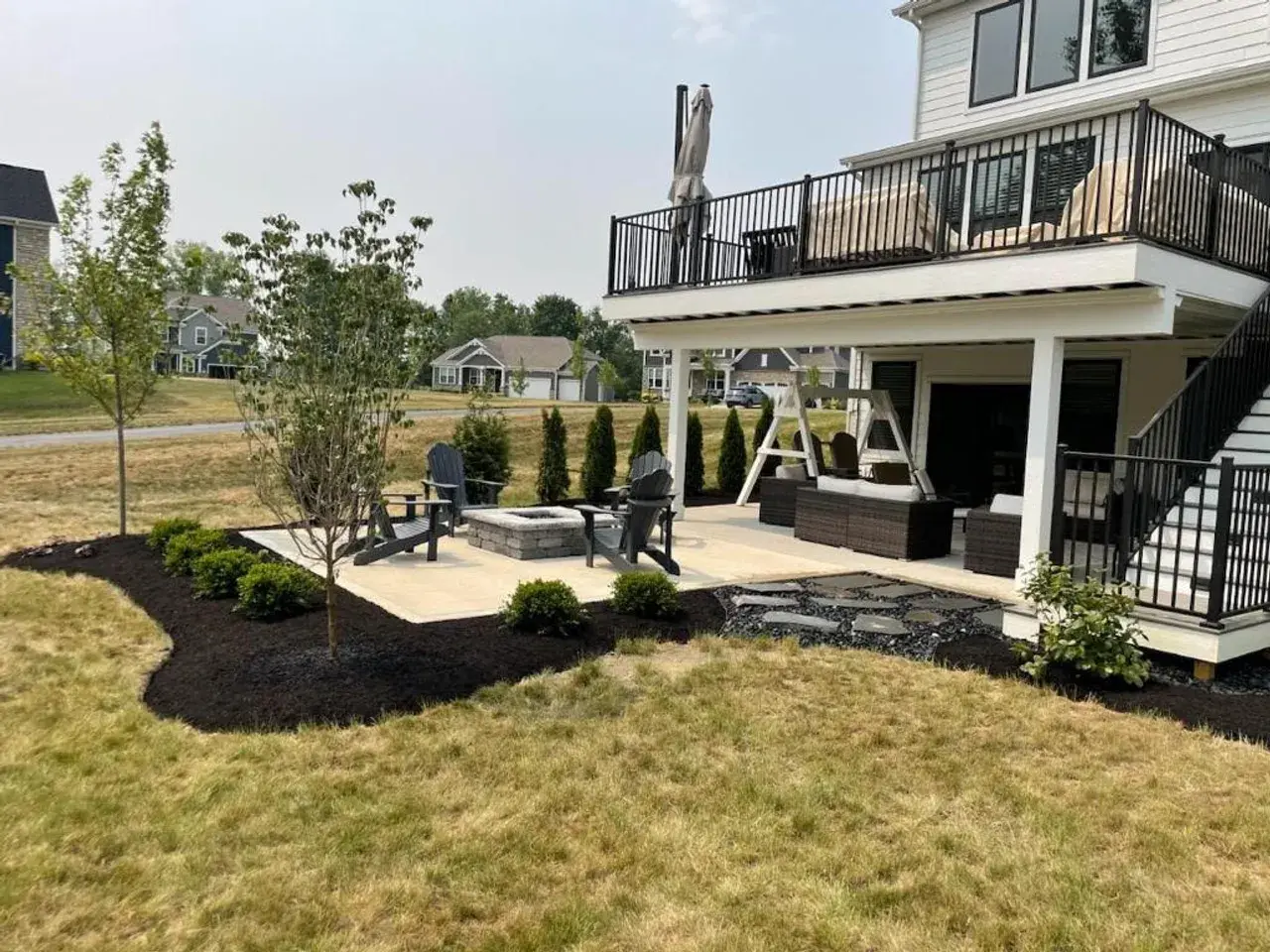
Why rust is excluded, plainly
Rust is the orange powder that coats your shoes and mower wheels in late summer. It shows up on slow-growing, underfed turf when growth stalls, and that is exactly why we exclude it from coverage. Rust is cosmetic. It doesn't kill turf, and it doesn't need a fungicide; a nitrogen feeding and a return to regular mowing grow it out within a few weeks. Charging you for treatment applications against a disease that mows out on its own would be selling you something you don't need.
Humidity is the engine of every outbreak
Fungal spores are always present in turf. What turns them into visible disease is moisture sitting on leaf blades through warm nights, the standard shape of a Central Ohio July. Dew that doesn't burn off until mid-morning, thunderstorms that soak turf at dusk, and irrigation systems running in the evening all extend that wet window. One cultural change makes a real difference: water at dawn, so blades dry quickly after sunrise. The program handles the chemistry; a smarter watering schedule quietly lowers how often chemistry is needed.
Stacked on fertilization, the defense is complete
Well-fed turf resists disease better than starved turf. Dollar spot in particular exploits low-nitrogen lawns. The 5-application fertilization program keeps turf dense and growing, which is your first line of defense. This program is the second: dedicated root support before summer, and covered treatment if pressure breaks through anyway. The two are priced separately, and each stands on its own, but together they cover both sides of turf health: feeding what you want to grow, treating what you don't.
Enroll before the humid stretch arrives
Disease pressure in Columbus peaks in July and August, when overnight temperatures hold above 68°F and dew sits on turf past sunrise. The root-health application does its best work applied ahead of that stress, and enrollment before an outbreak is what makes treatment coverage possible.
Get on the schedule- July and August bring the heaviest fungal pressure
- Brown patch can expand visibly within days of a humid stretch
- The root-health application works best applied before peak heat
Round out the season's coverage
Disease protection covers the fungal side. These services handle feeding, insects, and the mowing habits that keep outbreaks small.
Add the 5-application fertilization program
Dense, well-fed turf is the first defense. Dollar spot specifically targets underfed lawns.
Learn moreAdd preventive grub control
Fungicides do nothing against root-eating larvae. One June application covers the insect side of summer.
Learn moreAdd weekly mowing
Sharp blades cut clean instead of tearing, and torn blades are the open door most infections walk through.
Learn moreThe turf disease protection engagement, step by step
A predictable, transparent process refined over 25+ years of Central Ohio property work. No surprises, no scope creep.
- 1Step 1 of 4
Enrollment assessment
We note turf species, irrigation habits, shade, and any disease history, the inputs that set your risk profile.
- 2Step 2 of 4
Root-health application
The additional application goes down ahead of summer stress to harden the root system.
- 3Step 3 of 4
Identify at first sign
If patches, rings, or threads appear, we confirm which disease it is before treating. Brown patch and drought stress can look alike.
- 4Step 4 of 4
Covered treatment
Treatment applications go down under the program, with visit notes on what we found and what to watch.
One program price, quoted by lawn size
The program is quoted as a single price covering the root-health application and any treatment applications the season requires. It's priced separately from the fertilization program, and your quote scales with treated turf area.
- Itemized line-by-line proposal
- Quote turnaround in 24 to 48 hours
- No hidden fees, no surprise upcharges
Fertilization customers receive bundle pricing when the protection program is added.
Program quotes are free and scale with treated turf area
Every property is different. Quotes are tailored after a quick consultation. No obligation, no hard sell.
On Central Ohio properties this season.

Turf Disease Protection, answered.
Real questions from real Central Ohio customers. If yours isn't here, you have three fast ways to reach us.
01What exactly does the program include?
Two things: one additional application focused on root health, applied ahead of summer stress, and treatment applications covered under the program if turf disease appears during the season. Rust is the one exclusion.
02Which diseases does it respond to?
The common Central Ohio set: brown patch, dollar spot, red thread, and summer patch, plus other turf diseases that appear in-season. Each gets identified before treatment because they respond to different products.
03Why doesn't the program cover rust?
Because rust doesn't warrant a fungicide. It's cosmetic: orange spore powder on slow-growing turf that clears with a nitrogen feeding and a few regular mowings. We would rather exclude it than treat something that mows out on its own.
04How do I tell brown patch from drought stress?
Water it. Drought-stressed turf greens back up within a few days of irrigation; brown patch doesn't. Up close, brown patch also shows tan lesions with dark borders on individual blades, and patches often carry a smoky gray edge in morning dew.
05Do I need the fertilization program to enroll?
No, this program is priced and sold separately. The two stack well, since underfed turf invites dollar spot, but neither requires the other.
06When should the root-health application go down?
Ahead of summer stress: late spring into early summer, before Columbus hits its stretch of nights above 68°F. That timing lets roots harden before the humid weeks that drive brown patch.
07What happens if disease shows up in late September?
Coverage runs through the season, and early fall outbreaks are real. Red thread in particular likes cool, damp September weather. If disease appears while you're enrolled, treatment is handled under the program.
08Can I skip the program and just pay for treatment if something shows up?
You can, and we would quote it as separate work. The trade-off is speed and cost certainty: brown patch can blight large patches within days during a humid stretch, and enrolled lawns already have the response arranged.
Turf Disease Protection across Central Ohio.
Headquartered in Lewis Center, our crews reach most Central Ohio properties in under 25 minutes. Routes are organized by city: your crew is on your block week after week, not chasing across the metro.
As our home base, Lewis Center is where Meyers Landscape Services got its start.





Ready for professional turf disease protection?
Serving Lewis Center, Dublin, Powell, Hilliard, Westerville, Delaware, and Columbus, plus surrounding Central Ohio communities. Free estimates, fast response, real accountability.
Explore More
Related services
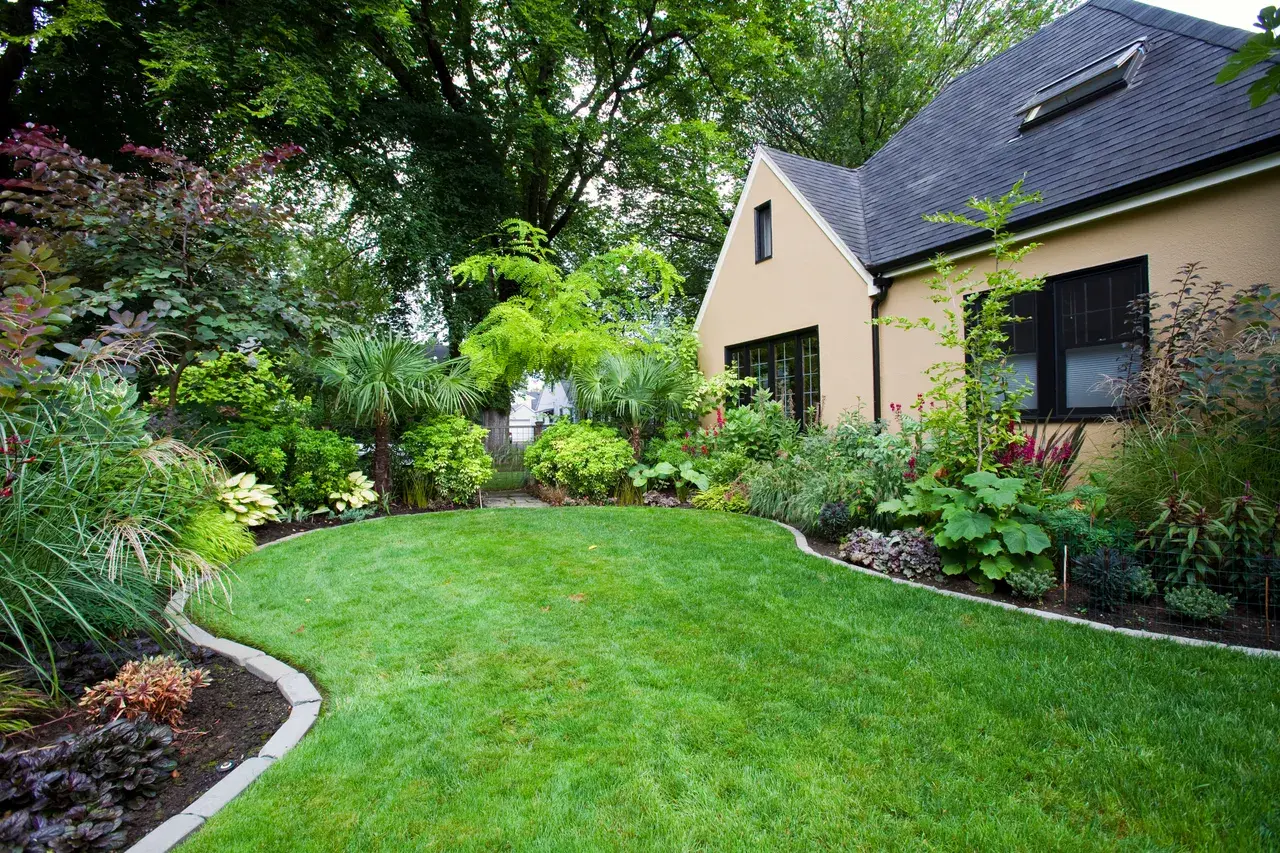
Lawn Mowing
Weekly mowing, string trimming, and blowdown on the same day every week, April through November.
Learn more
Fertilization
5-application fertilizer programs to build a thick, green, healthy lawn year-round.
Learn more
Grub Control
A preventative application that protects your lawn from turf-damaging grubs before they hatch.
Learn more